
Intensive care and home-based management
Keeps your highest-risk members stable at home.
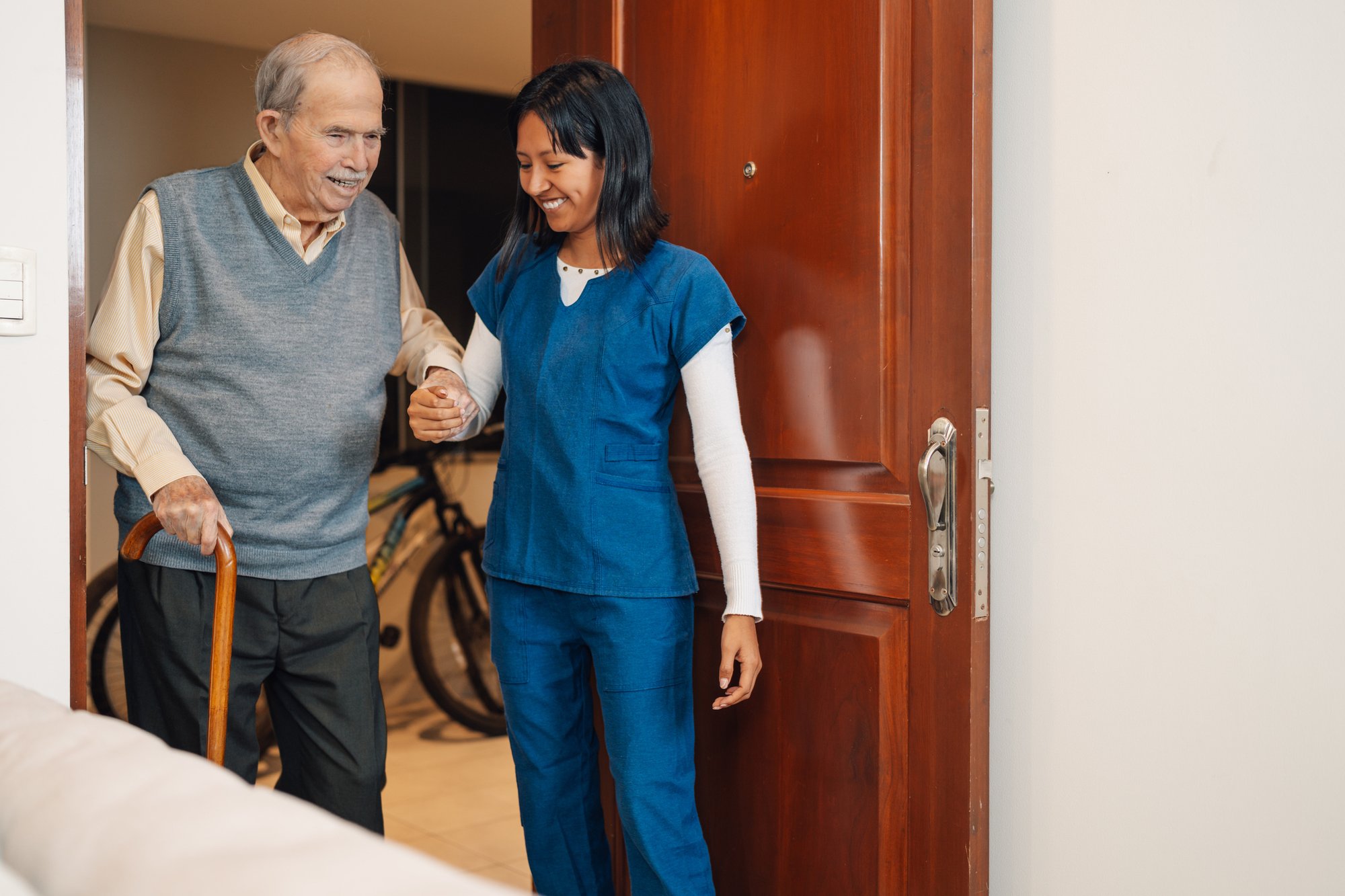
Care that travels to the member.
A phone call is an invitation. A person at the door is a relationship.
Healthy at Home fields a community-based workforce hired from the neighborhoods it serves — multilingual, in person, and trained to work with members who have stopped engaging with the health system entirely. They knock. They come back. They stay long enough to find out what's actually preventing the member from getting care.
That's the part you can't build out of a caseload reassignment.

Most plans begin with a defined population and a fixed measurement window rather than a full delegation. A pilot scoped to a single region, product line, or risk tier gives you your own numbers before a broader contracting conversation. We'll walk through what that scoping looks like on the call.

© 2026 COPE Health Solutions